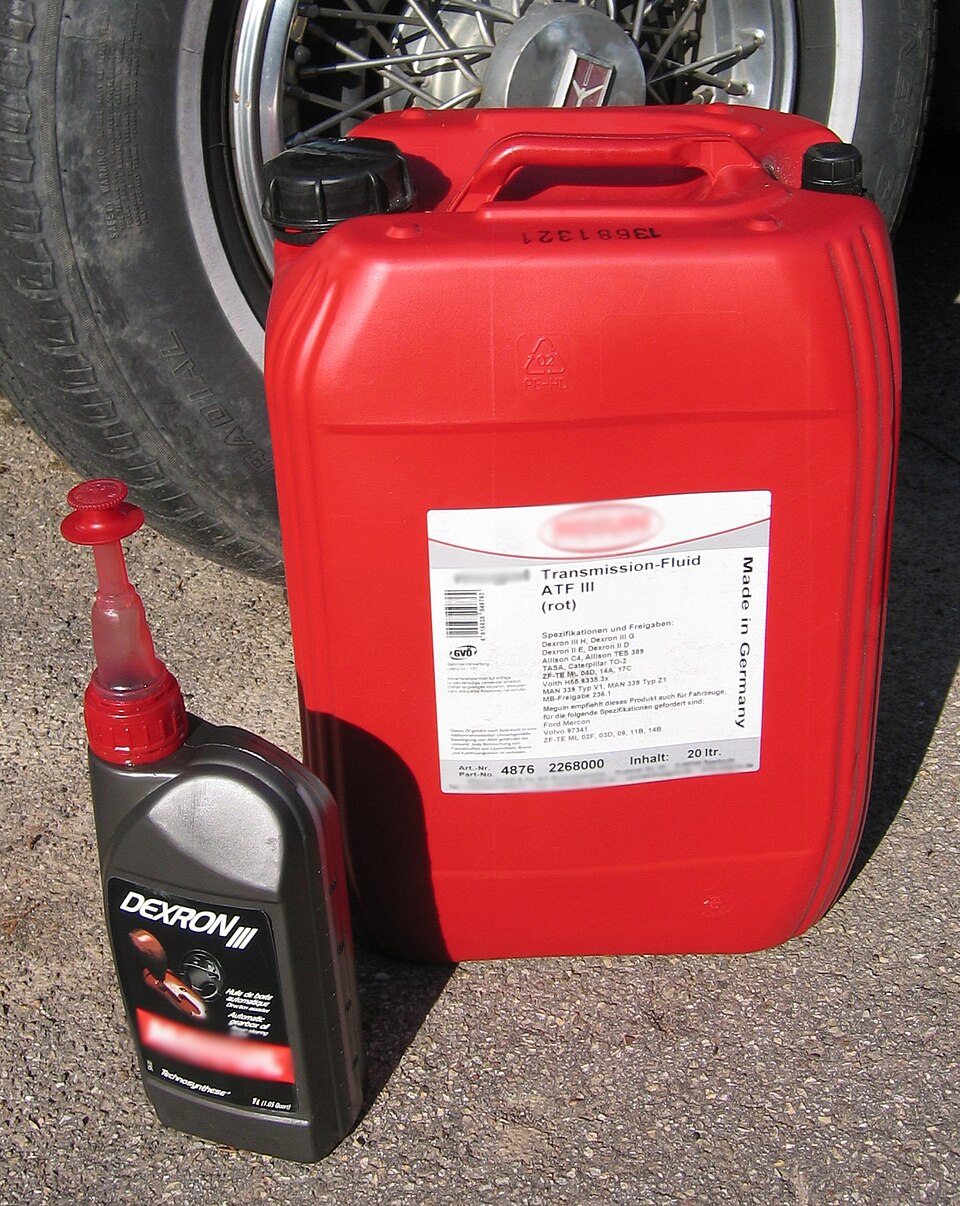
Automatic Transmission Fluid: When to Change and Why It's Crucial for Your Car's Health
Modern automatic transmissions are marvels of engineering, offering unparalleled comfort, seamless gear changes, and impressive durability. They make driving a pleasure, whether you're navigating bustling city streets or cruising on the open highway. However, this sophisticated component, much like the engine, relies heavily on a vital fluid to function optimally and reliably: automatic transmission fluid. Often referred to in Portuguese-speaking regions as Oleo De Transmissão, this fluid is the lifeblood of your automatic gearbox, and its regular maintenance is frequently underestimated by many drivers.
Neglecting your vehicle's transmission fluid can lead to a cascade of problems, from subtle performance degradation to catastrophic and incredibly expensive breakdowns. Understanding when and why to change your Oleo De Transmissão is not just about extending your car's life; it's about protecting your investment and ensuring a smooth, safe, and efficient driving experience. This comprehensive guide will delve into the critical role of transmission fluid, the tell-tale signs of its degradation, and the recommended maintenance schedule to keep your automatic gearbox performing its best.
The Unsung Hero: Why Automatic Transmission Fluid (Oleo De Transmissão) is Critical
Think of automatic transmission fluid as a multi-talented superhero for your car's gearbox. It performs several indispensable functions simultaneously, each vital for the smooth operation and longevity of your transmission. Without high-quality, clean fluid, the intricate components within the transmission are starved of what they need to function correctly.
Here are the primary roles of your Oleo De Transmissão:
- Lubrication: This is perhaps its most obvious role. The fluid lubricates hundreds of moving parts, including gears, bearings, clutches, and bands, preventing metal-on-metal contact that would otherwise cause rapid wear and catastrophic damage.
- Hydraulic Pressure Transmission: Unlike manual transmissions, automatic gearboxes use fluid pressure to engage clutches and bands, effectively shifting gears. The fluid acts as a hydraulic medium, transmitting power and ensuring precise and responsive gear changes.
- Cooling: Transmissions generate a tremendous amount of heat due to friction and the sheer work they perform. The fluid circulates throughout the system, absorbing and dissipating this heat, thereby protecting sensitive components from thermal damage.
- Cleaning and Conditioning: As parts wear, tiny particles of metal and other debris can accumulate. The transmission fluid helps to clean these contaminants away, holding them in suspension until they can be trapped by the transmission filter. It also contains additives that condition seals and other components, preventing leaks and promoting elasticity.
Over time, however, even the best Oleo De Transmissão begins to lose its effectiveness. Constant exposure to extreme heat, shearing forces, and the accumulation of wear particles degrades its chemical properties. The fluid becomes less viscous, its lubricating properties diminish, and its ability to dissipate heat is compromised. This degradation directly impacts the transmission's performance, leading to imprecise shifts, noticeable jerking or shuddering, delayed reactions, and in the worst cases, costly breakdowns.
Benefits of Timely Transmission Fluid (Oleo De Transmissão) Maintenance
The proactive step of regularly changing your automatic transmission fluid offers a multitude of clear and tangible benefits that far outweigh the cost and effort involved. It’s an investment in your vehicle’s future, ensuring it runs efficiently and reliably for years to come.
- Smoother and More Precise Shifting: Fresh fluid with optimal viscosity and lubrication properties ensures that clutches engage and disengage perfectly, leading to seamless, almost unnoticeable gear changes.
- Significantly Extended Transmission Lifespan: By preventing excessive wear, overheating, and component damage, regular fluid changes dramatically increase the operational life of your transmission, often saving you from needing a premature replacement or overhaul.
- Long-Term Cost Savings: This is arguably one of the most compelling benefits. While a fluid change has a cost, it pales in comparison to the thousands of dollars (or euros, for example) required for a major transmission repair or replacement. Proactive maintenance is always cheaper than reactive repair. For more on this, check out how to Boost Performance & Save Money: Regular Transmission Fluid Swaps.
- Improved Fuel Efficiency: A transmission struggling with old, degraded fluid has to work harder, which can translate to increased engine load and, consequently, higher fuel consumption. Optimal fluid ensures the transmission operates at peak efficiency.
- Enhanced Resale Value: A vehicle with a well-documented maintenance history, especially concerning critical components like the transmission, is far more attractive to potential buyers and commands a higher resale value.
The Perils of Neglect: Risks of Skipping Fluid Changes
If the benefits of timely fluid changes are compelling, the risks of neglecting this crucial maintenance are downright alarming. Skipping routine Oleo De Transmissão changes can set your vehicle on a path toward serious, expensive problems that often culminate in transmission failure.
When the transmission fluid ages and degrades, it loses its fundamental properties. Its ability to lubricate effectively diminishes, leading to increased friction and wear between gears, clutches, and other internal components. The reduced cooling capacity means that the transmission operates at higher temperatures, accelerating the breakdown of seals and other sensitive materials. This vicious cycle of heat and friction causes components to degrade at an accelerated rate.
Furthermore, as parts wear, tiny metallic particles and other debris accumulate within the fluid. The transmission filter is designed to catch these contaminants, but if the fluid is never changed, the filter can become clogged. Once clogged, these abrasive particles circulate freely throughout the transmission, grinding away at precision-machined surfaces and clogging vital hydraulic passages. This leads to symptoms such as:
- Harsh or Erratic Shifting: The transmission struggles to engage gears smoothly.
- Delayed Engagement: A noticeable pause between shifting into drive or reverse and the vehicle actually moving.
- Overheating: The transmission temperature warning light may illuminate, indicating the system is running too hot due to friction and poor cooling.
- Strange Noises: Whining, clunking, or grinding sounds emanating from the transmission can signal severe internal wear.
- Complete Failure: In the worst-case scenario, critical components like the clutches can fail completely, rendering the vehicle immobile. Automatic transmission repairs are notoriously expensive, often costing several thousand dollars for a rebuild or replacement unit, making the modest cost of a fluid change seem trivial by comparison.
When and How Often to Change Your Oleo De Transmissão
Knowing when to service your automatic transmission fluid is paramount. While there are general guidelines, the precise interval can vary significantly based on your vehicle, driving habits, and the type of fluid used.
Manufacturer Recommendations & Specific Intervals
The most reliable source for your specific vehicle's transmission fluid change interval is always the owner's manual. Most manufacturers recommend changing the automatic transmission fluid (Oleo De Transmissão) every 80,000–120,000 kilometers (approximately 50,000–75,000 miles) or every three to five years, whichever comes first. This "whichever comes first" rule is crucial because even if your car isn't driven extensively, the fluid still ages and degrades over time due to oxidation and thermal breakdown.
However, these are general guidelines. Certain driving conditions place extreme stress on your transmission, necessitating more frequent fluid changes. You should consider shortening your fluid change intervals if you frequently:
- Drive in Heavy Urban Traffic: Constant stop-and-go driving, especially in hot weather, puts significant strain on the transmission.
- Tow Trailers or Haul Heavy Loads: The added weight dramatically increases the workload and heat generated by the transmission.
- Drive in Extreme Climates: Very hot or very cold temperatures can accelerate fluid degradation.
- Engage in Aggressive or High-Performance Driving: Frequent hard acceleration and deceleration cycles will stress the transmission fluid.
- Drive in Mountainous Terrain: Uphill climbs and downhill braking can overheat the transmission.
In these severe conditions, some experts and manufacturers recommend halving the standard interval, suggesting fluid changes as often as every 40,000 km (25,000 miles) or every two years.
Telltale Signs Your Transmission Fluid Needs Attention
Beyond the manufacturer's recommended schedule, your car might give you direct signals that its Oleo De Transmissão is past its prime. Pay close attention to these warning signs:
- Harsh or Abrupt Shifts: If gear changes feel clunky, delayed, or unusually harsh, it's a strong indicator.
- Delayed Engagement: A noticeable lag when shifting into drive (D) or reverse (R) from park (P).
- Strange Noises: Whining, clunking, or grinding sounds coming from the transmission area.
- Increased Engine RPMs for Speed: The engine might rev higher than normal before the transmission shifts gears, indicating 'slippage'.
- Increased Fuel Consumption: An inefficient transmission works harder, leading to poorer gas mileage.
- Burnt Smell: If you detect a distinct burnt smell, especially after driving, it's a major red flag that the fluid is severely degraded and the transmission is overheating.
- Dark or Burnt-Smelling Fluid: On older models with a dipstick (like some Mercedes-Benz vehicles), checking the fluid yourself can be informative. Healthy transmission fluid is typically red or light brown and translucent. If it looks dark brown, black, or has a distinct burnt odor, it's definitely time for a change. Always consult your owner's manual for proper fluid checking procedures, as many modern transmissions are sealed units that require professional tools to inspect.
The Fluid Change Procedure: What to Expect
When it comes to changing your Oleo De Transmissão, there are generally two main methods: a simple "drain and fill" and a more comprehensive "fluid flush."
- Drain and Fill: This involves draining the fluid from the transmission pan and refilling it with new fluid. It's similar to an engine oil change. However, a drain and fill typically only replaces about 30-50% of the total fluid, as a significant portion remains in the torque converter, valve body, and cooler lines. This method is often recommended for regular maintenance when the fluid isn't severely degraded.
- Fluid Flush: A flush uses a specialized machine to connect to the transmission's cooler lines. It pumps new fluid through the entire system, pushing out all the old, contaminated fluid until only fresh fluid remains. This method replaces nearly 100% of the old fluid and is often recommended if the fluid is very dark or if the vehicle has missed several recommended service intervals. However, a flush can sometimes dislodge large deposits in severely neglected transmissions, which could potentially cause issues, so it's vital to have this procedure performed by a qualified technician who can assess the transmission's condition.
Regardless of the method, automatic transmission fluid changes are best left to professional mechanics. Modern transmissions are complex, require specific types of fluid (ATF), and often have precise temperature and leveling procedures that are crucial for proper function. An incorrect fluid type or improper fill level can cause severe damage.
In conclusion, your automatic transmission fluid, or Oleo De Transmissão, is far more than just a lubricant; it's a critical component that facilitates power transfer, cools components, and ensures the smooth, responsive operation of your vehicle. Neglecting its maintenance is a gamble with potentially thousands of dollars at stake. By understanding its vital role, adhering to manufacturer-recommended service intervals, and recognizing the warning signs of degradation, you can significantly extend the life of your transmission, maintain optimal vehicle performance, and save yourself from incredibly costly repairs down the road. Don't underestimate the power of a fluid change – it's an investment in your peace of mind and your vehicle's longevity.